
Working with us
16 September 2026
6 min read
How to brief a cabinet maker: getting the kitchen you actually want
The best custom cabinetry comes from a clear brief, not a Pinterest board. Here is what to work out before the consultation — how you live, what you store, what you can spend — and what a good cabinet maker should hand back.
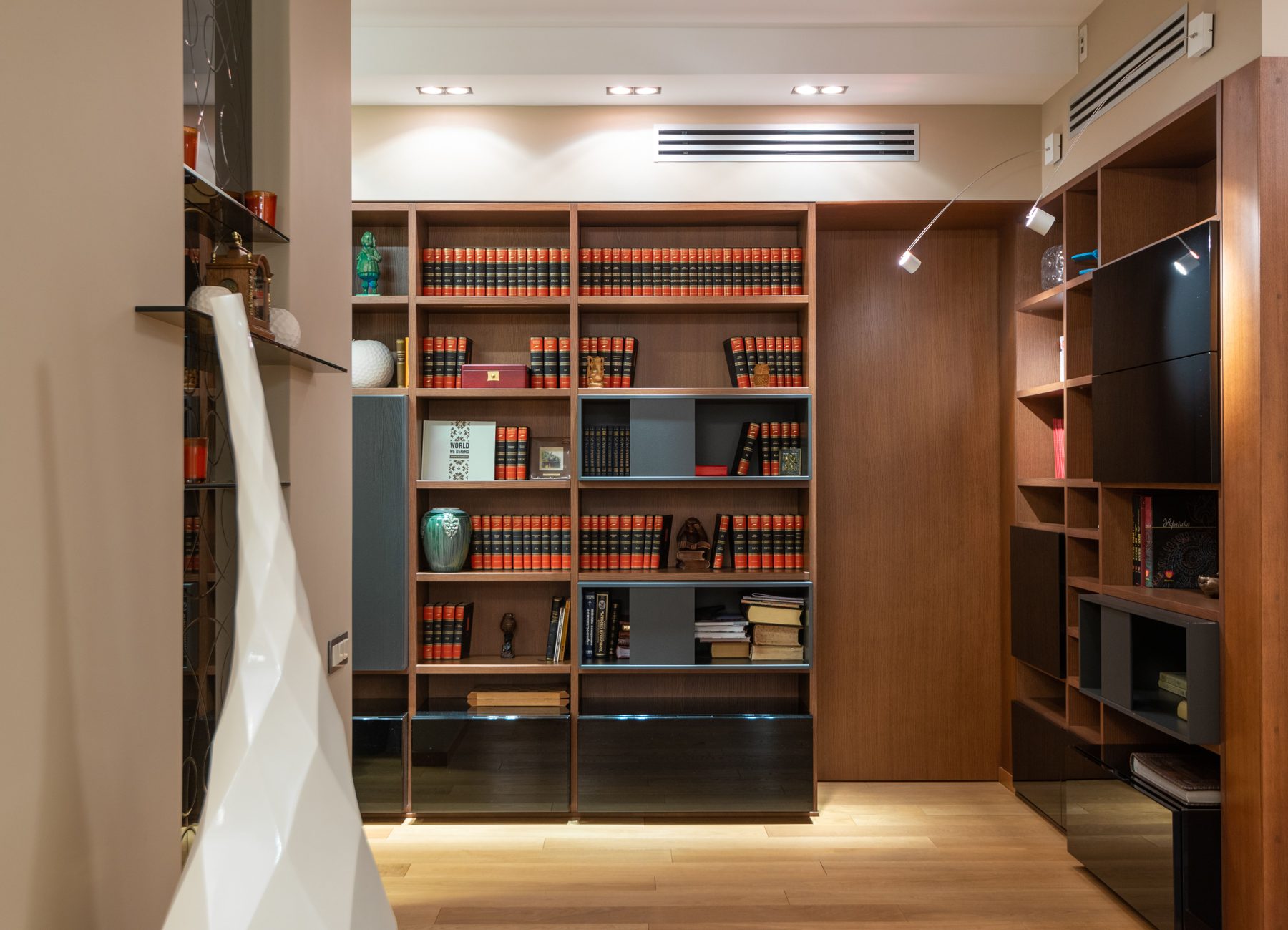
Start with how you live, not how it looks
The mistake most people make is briefing the finish before the function. Colours and handles are the last decisions, not the first. A bespoke cabinetry project is worth doing precisely because it can be planned around your routine, so that routine is the brief.
Spend a week noticing the room. Where does everything land when you walk in? What do you reach for at 6.30 am, and where is it? Which cupboard do you avoid? Where does the family gather while dinner is cooked? Write these down as sentences — "the bin is never where the chopping happens", "nobody can reach the top shelf" — because they translate directly into design decisions.
Take an inventory of what you store
Custom cabinetry is sized to contents. A wardrobe designed without counting your hanging clothes will be wrong by a metre; a pantry designed without knowing you buy in bulk will overflow. Before the consultation, measure or count:
- Kitchen: tallest bottle, largest pot and its lid, small appliances you use weekly (and want on the bench) versus monthly (and want hidden), platters, the recycling system you actually use.
- Wardrobe: metres of long hanging, metres of short hanging, pairs of shoes, folded items, bags and accessories. Our wardrobe guide has a worksheet.
- Laundry: washer and dryer models, ironing board, cleaning products, baskets, and whether you fold on a bench or elsewhere.
- Home office: screens, printer, files, and the desk height and chair movement you need.
- Living room: TV size, audio equipment and its ventilation, the things you want on display versus behind doors.
Appliances and fixtures first
Cabinets are built around appliances, not the other way round. Before drawings are finalised we need model numbers for the oven, cooktop, rangehood, dishwasher, fridge, microwave and any wine fridge or coffee machine that will be integrated, and for a bathroom the basin, tap and mixer. You do not have to buy them yet — the specification sheet is enough — but changing a 60 cm oven to a 90 cm one after cabinets are ordered means remaking cabinets.
Photos, plans and a shortlist of finishes
- Photos of the room from each corner, and of anything you want to keep: floors, tiles, a window, an existing piece of furniture the cabinetry must sit beside.
- A floor plan if you have one, or a rough sketch with a couple of overall dimensions. We measure properly at the consultation.
- Three to six reference images of cabinetry you like, ideally with a note on what you like about each — the colour, the handle-free doors, the open shelf. Thirty images without notes tell us less than five with them.
- A shortlist of finishes rather than a decision. Laminate, thermolaminate, two-pac and timber veneer each suit different budgets and rooms; our finishes comparison explains the trade-offs so the samples at the consultation make sense.
Be honest about budget and constraints
Tell us the number, or the range. A cabinet maker who knows the budget designs to it — putting the money into the doors you see and the drawers you use, and simplifying where it doesn't show. One who doesn't know it designs the dream kitchen, quotes it, and then everyone starts cutting. Our article on what drives cabinetry cost gives you the language for that conversation.
Constraints belong in the brief too: a strata scheme, a builder's program, a heritage listing, a narrow hallway the cabinets have to travel through, a deadline before a baby arrives or a house sale. None of these are problems; all of them are problems if they surface after ordering.
What a good cabinet maker gives back
A brief is only half the exchange. After a free in-home consultation you should receive:
- Measured drawings of every elevation, with cabinet sizes, drawer heights and appliance positions.
- 3D views so you can see the room, not just read it.
- Physical samples of the finishes, benchtop and handles, to review in your own light.
- A fixed, itemised quote listing every cabinet, finish and piece of hardware by brand — not a lump sum with allowances.
- A realistic program: design and approvals, manufacture, installation, benchtop templating.
- One name responsible for the design, supply, installation and warranty.
That is what our four-stage process is built to deliver. If you would like to start, book a consultation — and bring the list above.
Common questions
What should I bring to a cabinetry consultation?
Photos of the room, a floor plan or sketch, appliance and fixture model numbers, an inventory of what you need to store, a handful of reference images with notes, and a budget range. We measure and bring samples.
Do I need to have chosen finishes before the consultation?
No. A shortlist is more useful than a decision. We bring samples of laminate, thermolaminate, two-pac and veneer so you can compare them in your own light.
Should I tell the cabinet maker my budget?
Yes. A known budget gets designed to — money on the doors and drawers you use, simpler finishes where it doesn't show. An unknown budget gets a dream design that is then cut back.
What should a custom cabinetry quote include?
Every cabinet with size and finish, every hinge and runner by brand and model, the benchtop material and thickness, installation and trade coordination as separate lines, and a program. Avoid lump sums with allowances.
Related
Sources & further reading
Information checked 16 September 2026. Product, safety and regulatory requirements can change; confirm current details for your project.