
Aftercare
16 September 2026
5 min read
Caring for custom cabinetry: cleaning, adjusting and keeping it new
Good cabinetry is designed to be lived in, not fussed over. But a few habits — the right cleaner, watching the kettle, an annual hinge adjustment — are the difference between a kitchen that still looks new at fifteen years and one that looks tired at five.
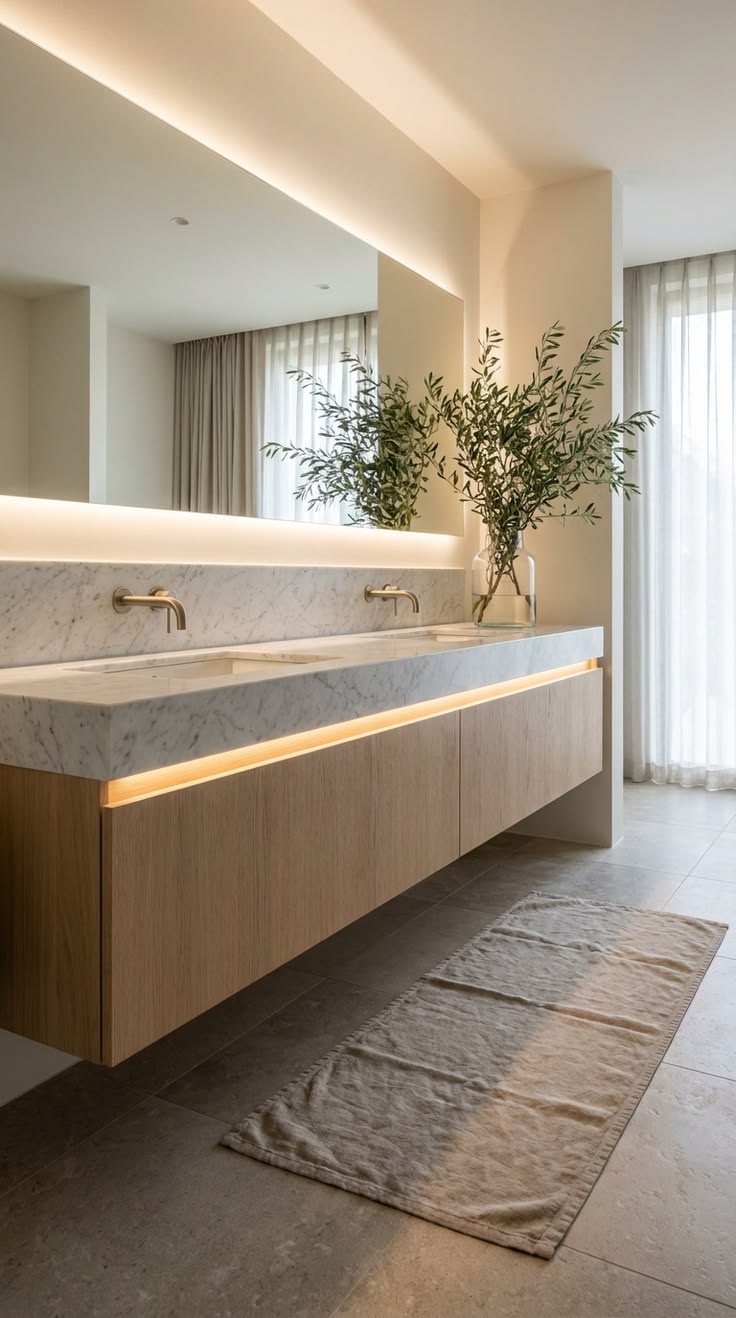
Everyday cleaning: less is more
Almost all cabinet damage we are asked to fix was caused by cleaning, not cooking. The rule for every finish we supply — laminate, thermolaminate, two-pac polyurethane and veneer — is the same: a soft microfibre cloth, warm water with a little mild dishwashing liquid, wipe, then dry with a clean cloth. That is it.
- Never use abrasive creams, scourers, magic erasers or bleach on any door finish. They dull two-pac permanently and scratch laminate.
- Avoid ammonia-based glass cleaners and solvent sprays on two-pac and veneer; they attack the topcoat over time.
- Wipe spills promptly, especially on the edges of doors and drawer fronts near the sink and dishwasher.
- Handles: wipe with the same solution; do not soak plated finishes.
Heat and steam: the silent killers
The kettle, the toaster and the dishwasher do more damage to overhead doors and end panels than years of use. Steam rising from a kettle under an overhead cabinet will lift laminate edges and soften thermolaminate at the corners. Move the kettle out from under the overheads or use a dedicated appliance cupboard with a lift-up door. When you open the dishwasher at the end of a cycle, pull it open fully so steam clears rather than condensing on the door above, and leave the oven door ajar rather than propped against a panel.
Direct sun through a north- or west-facing window fades and yellows some finishes over years. Blinds during the hottest part of the day help; so does choosing a UV-stable laminate for the bench-level run that takes the sun.
Hinges and drawers: the annual five minutes
Doors that have started to sag or catch are not worn out; they need adjusting. The Blum hinges we fit adjust in three directions with a screwdriver — height, depth and side-to-side — and soft-close drawer runners have a front adjustment for the drawer front. Once a year, check that doors sit flush and drawer fronts align, and nip up any hinge-plate screws that have loosened. If you would rather we did it, hinge adjustments on our cabinetry are free; it is the most common 'warranty' call we get and takes minutes.
Keep drawer runners clean by vacuuming crumbs from the runner channels occasionally, and avoid overloading — a drawer rated for 30 kg carries a set of pots comfortably, not a cast-iron collection.
Benchtop care by material
- Porcelain and sintered stone: almost nothing bothers them. Wipe with a mild detergent; avoid dropping heavy items on unsupported edges.
- Natural stone: seal every one to two years, wipe acids (lemon, wine, vinegar) immediately on marble, use boards and trivets.
- Solid surface: boards and trivets always; scratches and burns can be sanded out by a fabricator.
- Laminate: keep standing water off joins, use trivets, never cut directly on it. Dry around the sink after washing up.
- Timber: oil every few months for the first year, then as it dulls; wipe water promptly.
Chips, scratches and when to call us
A chipped laminate edge or a knock in a two-pac door is not the end of the world. Laminate and thermolaminate doors are replaced individually — we keep your specification on file so a replacement door matches years later. Two-pac can be touched up with the matching colour for small marks, or a door re-sprayed for a larger repair. Veneer scratches can often be polished out. Send us a photo and we will tell you the honest option.
Common questions
What is the best cleaner for two-pac kitchen cabinets?
Warm water with a little mild dishwashing liquid on a microfibre cloth, then dry. Avoid abrasives, magic erasers, bleach and ammonia-based sprays, which dull the polyurethane.
Why are my cabinet doors sagging or not closing properly?
The hinges need adjusting, not replacing. Blum hinges adjust for height, depth and side-to-side with a screwdriver. On our cabinetry, adjustments are free — send a photo and we will arrange it.
Can a damaged laminate cabinet door be replaced on its own?
Yes. Doors are replaced individually, and we keep your specification on file so a replacement matches. Two-pac doors can be touched up or re-sprayed.
How do I stop steam from the kettle damaging my overhead cupboards?
Move the kettle and toaster out from under the overheads or into an appliance cupboard, and open the dishwasher fully after a cycle so steam clears rather than condensing on the door above.
Related
Sources & further reading
Information checked 16 September 2026. Product, safety and regulatory requirements can change; confirm current details for your project.